Hi,

The Canadian dollar slipped to a nine-day low against the U.S. dollar on Friday as stronger-than-expected U.S. inflation data increased expectations that the Federal Reserve could raise interest rates at its upcoming meeting.
The loonie fell 0.2% to C$1.3862 per U.S. dollar after briefly touching C$1.3883, its weakest level since September 2. The Canadian currency came under pressure as U.S. Treasury yields moved higher and the U.S. dollar strengthened.
Erik Bregar, director of FX and precious metals risk management at Silver Gold Bull, said the Canadian dollar’s recent weakness has largely been linked to growing expectations for additional Fed rate hikes. The loonie is also dealing with pressure from higher oil prices and continued trade tensions between Canada and the United States.
What Does This Mean for Gold?
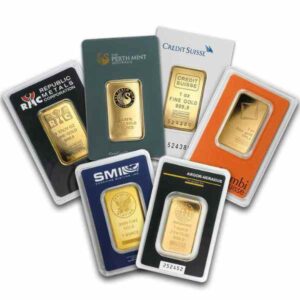
The move in the Canadian dollar is worth watching closely if you own or are considering buying gold.
Interest rates, bond yields and the U.S. dollar all play an important role in determining where gold prices move. When U.S. interest rates rise, gold can come under pressure because, unlike bonds or other interest-bearing investments, gold does not generate income.
Higher Treasury yields can therefore make bonds more attractive to investors, potentially reducing demand for gold.
The stronger U.S. dollar can also create headwinds for bullion. Since gold is traded internationally in U.S. dollars, a stronger greenback makes gold more expensive for buyers using other currencies.
But inflation could complicate the picture.
U.S. consumer prices accelerated in August, while a key measure of underlying inflation posted its biggest increase in four months. If inflation remains stubbornly high, investors may continue to turn to gold as a way to protect their purchasing power and diversify their portfolios.
A Weaker Canadian Dollar Can Support Gold Prices in Canada
For Canadian gold investors, there is an important factor to keep in mind: gold does not have to rise in U.S. dollars for its Canadian-dollar price to increase.
Because gold is priced globally in U.S. dollars, a weaker Canadian dollar can push the price of gold higher in CAD terms.
For example, if gold falls 1% in U.S. dollars but the Canadian dollar weakens 2% against the U.S. dollar, the Canadian-dollar price of gold could still end up higher.
This is why Canadian investors can sometimes see a different performance from gold than investors tracking the metal in U.S. dollars.
Oil prices are another factor worth watching. Higher crude prices can add to inflationary pressures, potentially making it more difficult for central banks to move quickly toward lower interest rates.
What Should Gold Investors Watch Next?
Gold is currently caught between several competing forces.
On one side, higher U.S. interest rates, rising Treasury yields and a stronger U.S. dollar could put pressure on bullion in the short term.
On the other, persistent inflation, elevated energy prices and broader economic uncertainty could continue to support demand for gold as a safe-haven asset.
For Canadian investors, the Canadian dollar adds another important layer to the picture.
Even if gold faces some pressure in U.S. dollars, a weaker Canadian dollar could help cushion the decline or even push the CAD price of gold higher.
For anyone watching the gold market in Canada, it will be important to keep an eye not only on gold itself, but also on the Federal Reserve, U.S. inflation, Treasury yields and the Canadian dollar. These factors could play a major role in determining where Canadian gold prices go next.