Hi,

Something extraordinary is happening in China.
The world’s largest gold producer is simultaneously importing gold at a pace that could reach 1,700 tonnes in a single year. At the same time, Shanghai’s silver inventories have surged to roughly 1.5 million kilograms, or approximately 48.2 million troy ounces. And underneath it all, the money supply of the world’s two largest economies is expanding rapidly.
The message from the physical commodity markets is becoming increasingly difficult to ignore. Especially, within precious metal sectors.

CHINA’S GOLD BUYING IS ON ANOTHER LEVEL
China imported 1,141 tonnes of gold in just the first eight months of 2026, already surpassing the roughly 940 tonnes imported during all of 2025. If that pace continues, China could import approximately 1,700 tonnes this year, which would be an extraordinary new annual record.
Now consider the other side of the equation.
China is already the world’s largest gold-producing country, mining approximately 381 tonnes in 2025. Including gold produced from imported raw materials, China’s gold industry processed about 552 tonnes last year. Yet China is still importing more than three times its domestic mine production. The world’s biggest producer is buying gold from the rest of the world at an unprecedented rate. That is not a shortage of access to gold. It is a decision to accumulate far more of it while prices still remain suppressed.
SHANGHAI IS LOADING UP ON SILVER
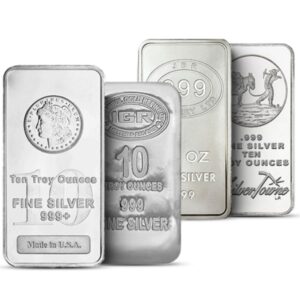
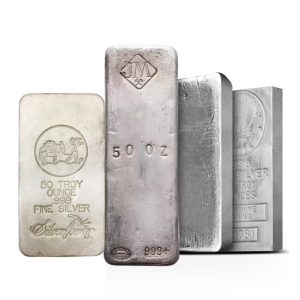
Gold isn’t the only physical metal moving into China. Silver inventories on the Shanghai Futures Exchange have climbed to around 1.4 million kilograms, with the latest figures approaching the 1.5-million-kilogram level.
That’s roughly:
1,500 tonnes or 48.2 million troy ounces
Think about those numbers.
Nearly fifty million ounces of physical silver sitting inside Shanghai exchange warehouses. The kicker… In February of 2026 Shanghai vaults held just 300 tonnes meaning that in just 7 months vaults have exploded by over 400%. This is happening while silver remains critical to industrial production, electronics, solar technology and other applications where demand continues to compete with investment demand for a finite supply of metal.
China isn’t simply participating in the precious-metals market. It is building a massive physical position in both gold and silver that can only be rivalled by a few countries in the world.
THE MONEY SUPPLY IS TELLING THE OTHER HALF OF THE STORY
Then there is the monetary side.
The combined money supply of the United States and China has surged dramatically over the past year, with broad money growth approaching the kind of pace that became familiar during the pandemic stimulus era. China’s M2 alone has continued expanding rapidly, while its money supply is now more than twice the size of America’s in dollar terms. More currency chasing a finite amount of real assets creates a very different environment from one where the currency supply is being steadily tightened making gold and silver less attractive.
And perhaps the mass currency creation helps explain why China is buying so much gold and silver. They could be anticipating a world event where currencies lose value at an extreme pace making their physical silver and gold far more valuable.

THE MESSAGE IS PHYSICAL
China is producing gold.
China is importing gold.
China is accumulating silver.
And China is expanding its currency supply rapidly.
Put those pieces together and a much bigger picture emerges.
For decades, the global financial system has revolved around paper claims, currencies, financial assets, and debt. Physical gold and silver don’t have a central bank that can create more of them with a keystroke.
As monetary systems continue expanding, the appeal of assets that cannot simply be printed into existence becomes increasingly obvious.
The question isn’t whether gold and silver matter.
The question is, how much will the world eventually value something that cannot be created out of thin air and has been historically viewed as real money?