Hi,

Gold has traditionally been highly prized in Chinese culture, particularly for use as wedding jewellery, presents for celebrations, and the preservation of riches. China’s purchases of jewellery, demand for investments, acquisitions by the central bank, and domestic gold production all contribute to the country’s impact on the global gold market. The buying patterns of Chinese consumers have an impact on the mood of the global market and are actively monitored by investors, including those who purchase gold bullion from Canada.
Canadian precious metals investors can better understand the dynamics of the gold market if they have a better understanding of China’s demand for gold.
What Makes Gold Important
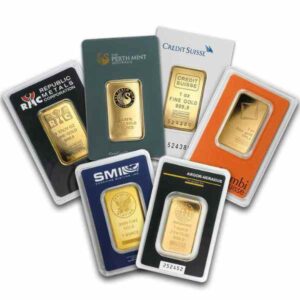
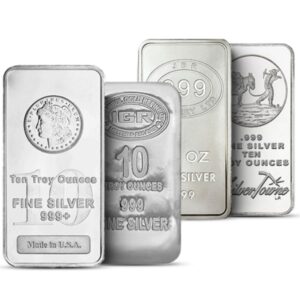
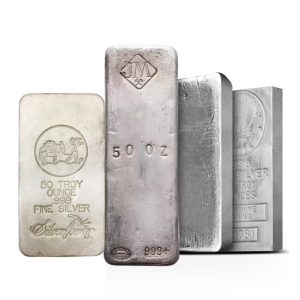
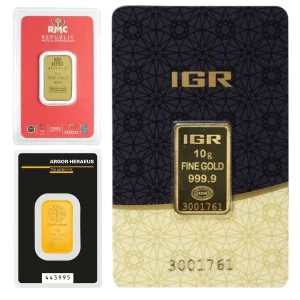
As a result of its vast population, long-standing traditions in the jewellery industry, and growing interest in gold as a form of wealth storage, China is one of the most significant consumers of gold in the world. Gold jewellery remains tied to special occasions such as weddings, family get-togethers, and cultural celebrations. However, gold bars and coins appeal to investors who want tangible precious metals.
The impact of China is not limited to the area of consumer spending. This nation produces a considerable amount of gold, adding to the world supply. Central Bank demand has been a topic of discussion, and the People’s Bank of China has bought gold as part of its official reserves management.
The demand that comes from a variety of sources does not necessarily move in tandem. During times of fast price increases, consumers may be less likely to acquire jewellery, yet when individuals are concerned about the economy, their interest in investing may increase.
Transition from Gold Jewellery to Investment Bullion
A significant trend in the gold market in China is the shifting balance between the demand for jewellery and the desire for investments.
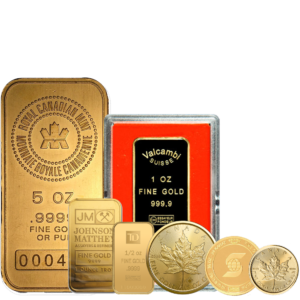
According to the findings of the research conducted by the World Gold Council titled Gold Consumption Trends: Full Year 2025, the consumption of gold jewellery in mainland China decreased by 25%, going from 479.1 tonnes in 2024 to 360.1 tonnes in 2025. The demand for gold bars and coins at the investment level increased by 28%, going from 336.2 tonnes to 431.7 tonnes. The demand for investment gold surpassed the demand for jewellery for the very first time in the history of the Council.
These figures show that despite a downturn in demand for jewellery, Chinese consumers have not abandoned gold. Other customers, in contrast, are buying for the value of the precious metal they contain and the worth they will have in the future.
Gold Reserves
Because the People’s Bank of China (PBOC) is in charge of managing China’s gold reserves and foreign exchange, the reported acquisitions of the PBOC are extremely important to international investors.
Gold allows central banks to diversify their reserves, minimise their reliance on a single currency, and hold an asset not subject to the authority of another country. They might decide primarily on reserve management and not on retail investing patterns.
It was disclosed by the World Gold Council that the People’s Bank of China (PBOC) increased its gold reserves by 27 tonnes in 2025, bringing the total to 2,306 tonnes. According to the Council’s report, gold accounted for around nine per cent of China’s official reserves.
Demand on a global scale may increase when many central banks make purchases at the same time. There is a possibility that purchasing patterns may change, and the demand from central banks is just one component of the gold market.