Hi,

A Gold or Silver Bar Weighing One Kilogram?
According to the weight, purity, and manufacturing norms of the precious metal, a bar of gold or silver that weighs one kilogram contains approximately one kilogram of the precious metal in question.
Kilo is a unit of mass that is used in the metric system. Troy ounces, as opposed to regular ounces, are the units of measurement that bullion merchants employ. In essence, the conversion is as follows:
- 1,000 grams is equal to one kilogram.
- Approximately 32.1507 troy ounces for every kilogram.
- Each kilogram is equivalent to 2.2046 standard pounds.
There are 999.9 grams in a gold bar that weighs one kilogram and is made from 99.99% gold. One kilogram of pure silver that is 99.9 percent contains approximately 999 grams of silver.
The composition of the bar’s fine metal is determined by its gross weight as well as its purity. Because the value of a bullion bar is determined by the precious metal content of the bar, the market price, and the dealer premium, this is a significant consideration.
Troy Ounce and Regular Ounce
It is essential to understand the distinctions between troy ounces and normal ounces when comparing the values of gold and silver. By weight, an avoirdupois ounce is equal to 28.35 grams. The equal of 31.1035 grams is a troy ounce.
Due to the fact that a troy ounce is heavier than a standard ounce, using the incorrect measurement might potentially have an impact on the comparison of prices used. The spot values of gold and silver are expressed in terms of troy ounces, although the prices of kilo bars are determined by the amount of pure metals they contain.
Brands And Refiners
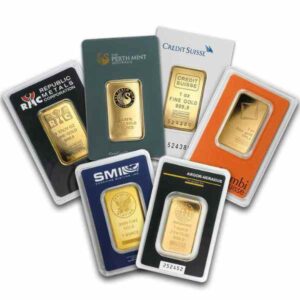
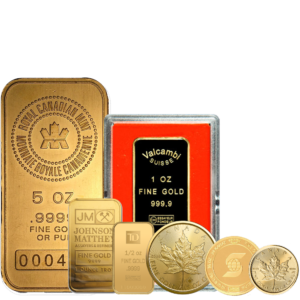
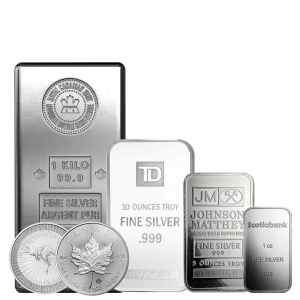
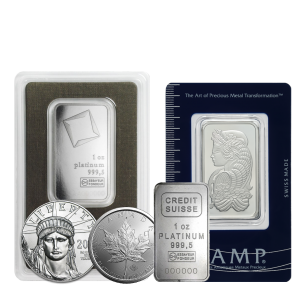
- Gold and silver bullion goods, including gold bars created by Fortuna, are among the commodities that may be purchased from PAMP Suisse. When it comes to authenticity and packaging, its bars come in a variety of sizes.
- There are a variety of weights of gold and silver bullion that Valcambi makes. The items that bullion dealers sell may be found in the international marketplaces for precious metals.
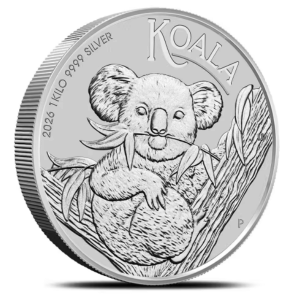
- The Perth Mint is responsible for the production of precious metal coins and bars in Australia. In a wide range of weights, it offers gold and silver bullion for sale.
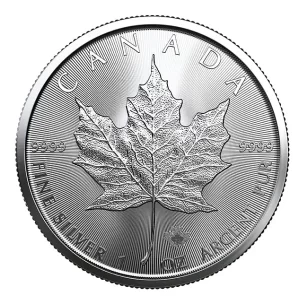
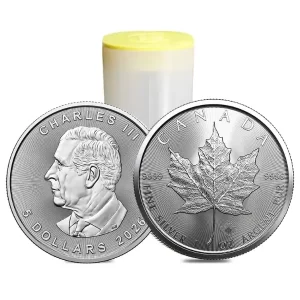
- Bullion buyers in Canada are familiar with the Royal Canadian Mint, which is quite well recognised. The company’s precious metals products are up to requirements, and the label it uses makes it easier for customers to identify Canadian bullion.
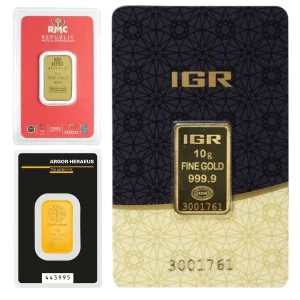
- Heraeus is a German precious metals firm that has a significant amount of experience in refining and the technologies connected with doing so. All of its bullion is sold by distributors.
- Argor-Heraeus Switzerland is the location where gold and other precious metals are refined. There is a wide range of sizes available for its bars through international bullion markets.
The identification of the brand makes it simpler to investigate the many resale possibilities and bar criteria. Brand is not the only factor that determines the validity of an item. The product markings, the documentation, and the dealer verification should all be checked by the buyer.
Distinction Between Cast Bars and Mint Bars?
The manufacturing process for gold and silver kilo bars is distinct. There is a widespread use of cast and coined bars.
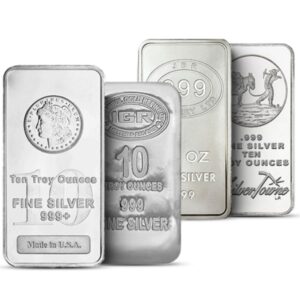
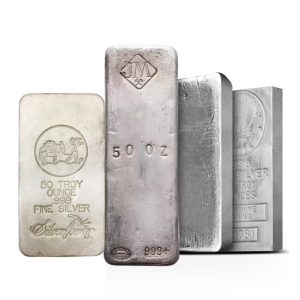
The process of casting bars involves pouring molten precious metal into a mould and then allowing it to cool. They appear to be more abrasive because to the intrinsic surface variances and uneven edges that they possess. Their method of manufacture is utilised for the production of larger bullion bars.
The metal blanks that are used to make mint bars are meticulously cut, polished, and pressed. Typical characteristics include smooth surfaces, sharp edges, and consistent measurements. The use of seals protects some items.
Markings, Serial Numbers, And Assay Cards
These may be different based on the producer and product format:
- Name of the maker (mint or refiner).
- 9 gold or 999 silvers can be written to measure how pure or fine the precious metal content is.
- A serial number is given to each product that can be tracked.
- Any bar’s weight, purity, unique number, and details about the maker can be written on an assay card or certificate.
- Both the mark and the name of the maker help people identify the product.
Comparison of One-Kilo, One-Oz, Ten-Oz, and One-Kilo Bars
| SIZE OF THE BAR
|
AN ESTIMATE OF THE WEIGHT IN GRAMS
|
THINGS TO THINK ABOUT |
| One ounce
|
3.10 grams | You can handle the purchases better and break them up into smaller quantities. |
| Ten ounces
|
311.03 grams
|
A choice of a moderate size that gives you both options and a lot of them. |
| Hundred ounces
|
3,110.35 grams
|
When you have a lot of silver, you need more money and room to store it. |
| One kilo | 1,000 grams | A big purchase |
FAQs Regarding Kilo Gold and Silver Bars
Q: What is the weight of a gold bar that weighs one kilogram?
A: By weight, a kilogram is equal to 32.15 troy ounces. The composition of the bar’s fine gold is determined by its level of purity.
Q: What is the weight of a silver bar that weighs one kilogram?
A: The weight of one kilogram of silver bars is 32.15 troy ounces. The bars of silver that are 99.9% pure contain 999 grams.
Q: Is it possible to buy gold and silver kilo bars?
A: Numerous bullion dealers provide gold and silver bars of one kilogram, however the availability, refiners, and patterns of these bars might vary.
Q: Assay cards are included with every kilo bar?
A: There are some minted bars that do not have sealed assay packaging, but a significant number of cast bars include metal markings. Please refer to the description of the product.