Hi,
Hi,

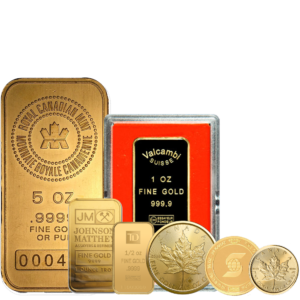
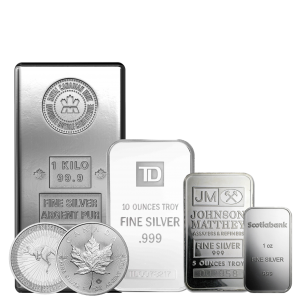
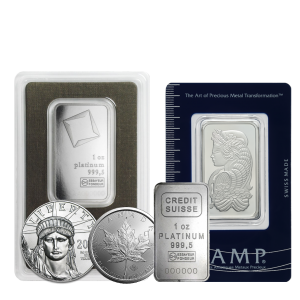
When it comes to the purchase of gold or silver bullion, many investors will instinctively turn to the latest offering. “Shiny and new” has always appealed to many investors. The truth is this: Bullion coins from previous years can be equally valuable – or even more so.
Value is Found in the Metal – Not the Date
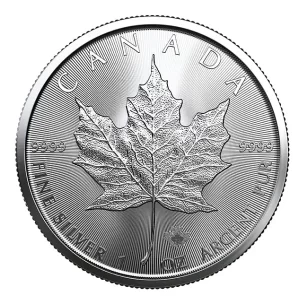
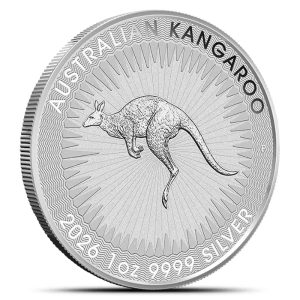
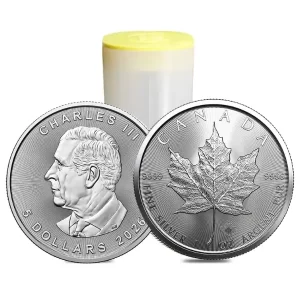
Essentially, bullion is considered valuable because of the precious metal in itself, not because of its age. For instance, a Gold Maple Leaf minted ten years ago will have the same gold value as the one minted this year. This applies to all other kinds of precious metal bullion, such as the American Eagle, Britannia, and Philharmonic.
Unless the coin in question is rare, its market value is inextricably linked to the spot price of either silver or gold, rather than its date.
Older metals have lower premiums
One of the greatest benefits that comes along with the purchase of bullion coins that are older in the year of their minting is that the price is usually slightly lower, in that the premium that comes along with newly minted coins is not present.
For the investor trying to accumulate the greatest possible number of ounces, rather than packaged quantities, the older-year coins may provide a much improved price point.
Liquidity is rarely a problem
One question is whether it is more difficult to sell older coins. In most instances, no, it is not. Established dealers purchase recognized coins of any vintage, provided that the coins are authentic and remain in decent shape.
Coins from reputable mintages, such as the Royal Canadian Mint, U.S. Mint, Perth Mint, or the Royal Mint, are liquid no matter the year. It makes no difference which mint the coins come from when it is time to sell them because the value is in the metal, not the date.
Condition is More Important than Age
Year, per se, will rarely affect price, but condition might. If a coin contains damage such as scratches or heavy wear, this could have a small effect on resale value, particularly if it is intended for resale or stacking. Some buyers, however, will overlook minor handling damage if it means a reduced premium cost.
For purposes of long-term investment as opposed to collecting, slight cosmetic damage is rarely of consequence.
When Newer Coins Make Sense
More contemporary coins might be attractive for collectors, as a present, or for individuals who prefer unopened packaging. They might be more readily resold to new collectors who are drawn to “current year” items.
However, when considered from an investment point of view, it is not necessarily always better to invest in something that
Final thoughts
The older-year bullion coins are as valuable as the newer ones – and sometimes even more valuable with lower premiums. The investor who cares about value per ounce and proper allocation should turn to the older coins as the cost-effective solution. The bottom line is that gold and silver couldn’t care less about the date they are minted, and smart investors shouldn’t either.