Hi,
Hi,

Silver is definitely making headlines these days. Prices have climbed to new record territory, leaving many investors wondering the same thing: Did I miss the move? It’s definitely understandable to feel this way when the price of any particular investment reaches new highs. However, with silver, the situation might not be so simple.
Record Prices Don’t Always Mean Overvalued
Throughout history, silver tends to make new record highs during stressful economic situations, inflation, and even shortages. It is interesting to note that even at record high prices, silver remains well below its inflation-adjusted record high prices set decades ago. It is possible that today’s silver prices may not be as high as they seem to be in real terms.
As a matter of fact, gold has clearly moved well above past inflation-adjusted highs, while the price of silver is still lagging. This has led many investors, particularly those holding a longer-term view, to doubt whether the price of the white metal still has a lot of catching up to do.
The Gold to Silver Ratio: What Is the Story?
One of the most commonly discussed measures with regard to precious metals is the gold-to-silver ratio, or the ratio that determines the value in silver that can buy gold. This ratio has traditionally averaged significantly below the current ratio.
A higher ratio indicates that silver is undervalued compared to gold. Even though no ratio is a perfect tool, investors consider that the current ratios are a sign that silver hasn’t yet caught up to the rising prices based on the same level of demand.
Industrial demand, in turn, has altered the equation
While silver has many uses as a store of monetary value, it has many other uses in industry as a “workhorse.” Silver is a major component of solar power, electric cars, electronics, and other green power generation methods. As these industries grow in size, so too grows demand for silver in a way that did not exist in prior growth cycles.
At the same time, new supplies of the metal have been slow to keep up. The rate of mining production has been slow, and much of the world’s available silver is produced as a byproduct of other metals.
Physical Silver vs Paper Price
Another aspect of the market that many investors fail to recognize is the difference between the “paper” prices and the physical availability of the metal. While the spot prices are being reported in the media, the physical availability of the metal can be scarce during the same time. This means premiums will be higher even if the spot prices are not rising.
This disconnect is one of the major reasons investors are still net buyers of physical silver, even at record spot prices.
So, Is Silver Still Undervalued?
Undervalued does not mean cheap. It means that silver could still be underrepresented relative to inflation and the performance of gold and increasing industrial demand. For investors interested in long-term wealth protection rather than short-term price movements, silver’s fundamentals are compelling.
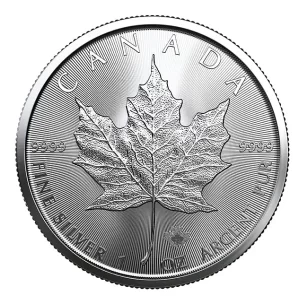
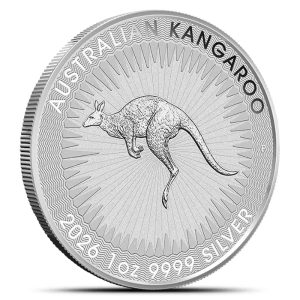
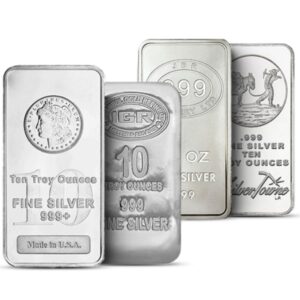
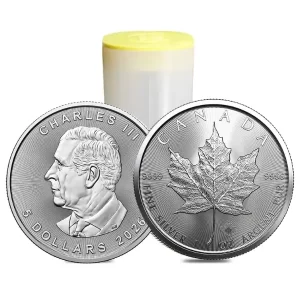
At AU Bullion, we’re seeing more and more of our clients decide to invest in physical silver as part of their strategy – not to react to the headlines, but to prepare for the unexpected. We’re dedicated to helping you invest in physical silver with confidence through our competitive pricing, trusted product, and clear service. If history is any guide, the silver story still has a long way to go.