Hi,
Hi,

One country just imported nearly 15,000 tonnes of silver in two years. That number is already staggering, but the real story is what happens when you put it beside global demand, industrial consumption and a silver market that has been running persistent deficits. India isn’t simply buying silver. It’s aggressively securing physical supply. And once you see just how much silver is flowing into India, you may look at the global silver market very differently.

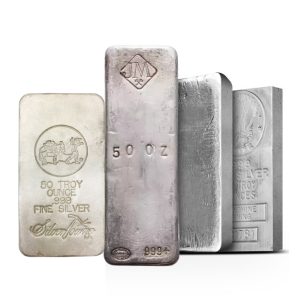
Something very interesting is happening in the silver market, and most people probably aren’t paying attention. India is buying an enormous amount of physical silver. In 2024, India imported approximately 7,700 tonnes of silver. In 2025, it imported another 7,200+ tonnes. That’s nearly 15,000 tonnes in just two years. And this isn’t simply a story about jewelry. India’s silver market includes investment bars and coins, ETFs, jewelry, silverware and rapidly growing industrial applications. Investment demand has become an increasingly important part of the story, with Indian investors turning to silver even as prices have climbed dramatically.
But here’s where the numbers become difficult to ignore. India’s 2024 imports were equivalent to roughly 247 million ounces of silver. Global silver demand that year was around 1.16 billion ounces. In other words, India’s imports alone were equivalent to roughly 1 out of every 5 ounces of global annual silver demand. Think about that. One country. One year. Nearly one fifth of the world’s annual silver demand flowing into India.
And India isn’t the only major buyer. In 2024, the United States imported roughly 5,800 tonnes, the United Kingdom around 5,100 tonnes, Hong Kong approximately 4,700 tonnes, China around 3,700 tonnes, and Japan more than 2,000 tonnes. These numbers matter because silver is not simply another precious metal sitting in vaults waiting for investors. The world is using it. Industrial silver demand reached a record 680.5 million ounces in 2024, driven by applications including solar, electronics, automobiles, power infrastructure and emerging technologies.
And while demand continues to consume enormous quantities of silver, supply has struggled to keep up. The Silver Institute expects the global silver market to remain in deficit for a sixth consecutive year in 2026, with the market continuing to rely on existing above ground inventories to fill the gap. That means the market isn’t simply producing enough new silver to satisfy demand. Existing supplies are being drawn upon to bridge the difference.
That is the part of this story that deserves attention. We aren’t simply watching countries buy silver. We are watching countries compete for physical silver while the market continues to consume more than the supply chain is producing. India is aggressively securing its share. China remains one of the world’s largest consumers. The United States and United Kingdom remain major import markets. And industrial users need silver regardless of whether the price is high or low.
Silver has traditionally been thought of as an abundant metal. The numbers are beginning to tell a different story. The question isn’t whether the world needs silver. The world clearly does. The question is how much longer existing inventories can make up the difference between what the world wants and what the mines can provide.
India is securing its share. Countries around the world are securing theirs. So ask yourself: are you securing your portion of an asset the world is demanding faster than it can be replaced?