Hi,
Hi,

When inflation rates begin to climb, it becomes noticeable everywhere – at the local supermarket, while buying gas, or paying utility bills each month. With time, inflation gradually chips away at the purchasing power of cash, which leads investors to look for ways to preserve their wealth.
One of those ways is often linked to gold.
But how did this precious metal perform historically during periods of significant inflation surges?
Why Gold and Inflation Go Hand in Hand
Since gold cannot be printed out, like cash currency, and it has been considered as a store of value for thousands of years, people tend to buy more gold whenever they have any concerns about the weakening purchasing power of cash.
Not always gold increases in price each time when inflation goes up, but over periods of prolonged increases in the rate of inflation, gold often proves its stability quite well.
Inflationary Period of the 1970s
The most famous period when gold demonstrated a great performance during an inflation spike is the 1970s decade. At that time, the U.S. and other countries experienced the following events:
- Inflation
- Price spikes in oil
- Economic stagflation
- Instability of currency systems
With the surge in the rate of inflation and a decrease in the stability of traditional financial assets’ value, many investors turned to the yellow metal as an alternative to preserve their savings.
What happened? The gold prices soared during this decade, which made it one of the best-performing assets.
Inflationary Concerns of the Late 2000s
After the 2008 economic crisis, governments and central banks started implementing a number of stimulus measures and kept very low interest rates to stabilize the economy. Despite the fact that no immediate inflationary impact was observed, there were still some concerns regarding the devaluation of currency.
What happened? Gold became quite popular among investors in the subsequent years since it was perceived as a reliable way to safeguard their wealth against possible inflation and monetary instability.
The 2020-2022 Inflation Spurts
One of the most recent cases of inflation surges happened not too long ago – shortly after the COVID-19 outbreak. Significant government spending on fiscal stimulus programs combined with supply chain issues resulted in substantial inflationary effects worldwide.
In this situation, the impact of inflation on everyday life became more apparent.
What happened? Gold prices increased quite significantly during that period in response to inflationary pressure, money printing, and economic uncertainty. Despite having periods of volatility, gold remained an important investment asset due to rising prices.
Historical Lessons
Although it’s quite clear that gold doesn’t have a perfectly linear pattern when reacting to changes in inflation, history shows us that the metal tends to become more valuable when inflation is present and lasts for an extended period of time. That’s why many long-term investors consider physical gold an indispensable part of their portfolios.
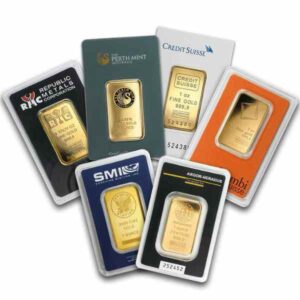
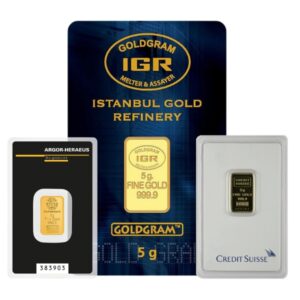
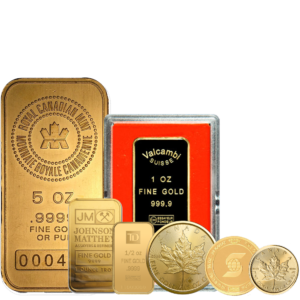
If you are interested in investing in physical gold bullion in Canada, AU Bullion provides a selection of high-quality gold bars and gold coins.