Hi,
Hi,

Paper currency is flooding the system, yet real assets like commodities remain surprisingly affordable. While markets focus on stocks and bonds, smart observers are watching signals in gold, silver, and in the broader commodities markets. These point to a major shift ahead, one that could echo past inflationary periods of the 1970s.

What Is the Gold-to-Silver Ratio?
The gold-to-silver ratio simply shows how many ounces of silver equal the price of one ounce of gold or in other words how many ounces of silver it would take to purchase a single ounce of gold. It helps measure whether silver looks cheap or expensive compared to gold. Historically, fair value for both metals, depending on the source, ranges from a 7 to 1 ratio up to a 15 to 1 ratio.
Right now, the ratio sits around 69 to 1. That means it takes about 69 ounces of silver to buy one ounce of gold. Compare that to January 1980, when silver hit $49.45 per ounce and the ratio was only 17 to 1, far closer to historic norms. Today, silver trades near $58–$60 per ounce, higher than that 1980 level in nominal terms. Yet at current gold prices (around $4,000+), silver would need to reach roughly $240 per ounce to match the old ratio. In simple terms, silver looks significantly undervalued relative to gold.
Commodities Trading at Historic Lows vs. Money Supply
Take a broader view, and the story gets even stronger. Commodities overall – things like base or precious metals, energy, and agriculture – are near historic lows when compared to M2. M2 is the Federal Reserve’s broad measure of money in the economy, including cash, checking accounts, and savings deposits, essentially, money that can be used quickly when needed. It has grown rapidly over the past decade due to pandemic stimulus and policy decisions.
Despite this flood of money, commodity prices haven’t risen as much. Years of underinvestment in new mines, oil fields, and farms have left supplies tight. This creates a classic setup: too much money chasing too few real goods that society needs to operate. We saw something similar in the 1970s, when commodities outperformed other assets during an intense inflationary cycle. With exorbitant government debt limiting options for fighting inflation, history could rhyme again.
Silver: The Cheapest Commodity on the Planet
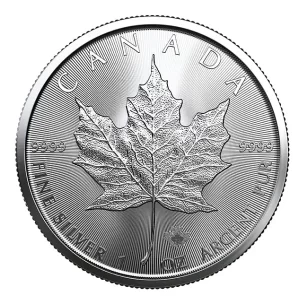
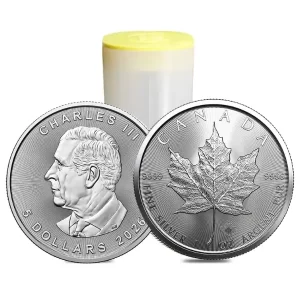
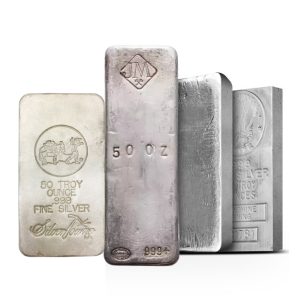
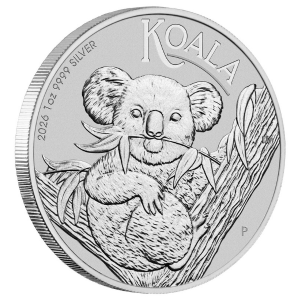
Among all commodities, silver appears to stand out as one of the best potential buys for getting good value for your dollar. It combines monetary appeal (like gold) with growing industrial demand in solar panels, electric vehicles, electronics, and far more. Yet it remains depressed in price relative to both gold and the expanding supply of dollars.
Geopolitical risks add urgency. Most pressingly the potential closure of the Strait of Hormuz, a key route for global oil shipments, could quickly drive energy prices higher. Higher oil costs raise expenses across the entire commodity sector, often sparking broader inflation that lifts prices for metals like silver.
The Case for Real Assets
In today’s environment of high debt and ongoing money creation, paper assets face challenges. Commodities offer a different path. They benefit from:
- Long-term lack of new supply investment lessening available supply.
- Expanding M2 that reduces the buying power of paper currency due to dilution.
- Rising demand and potential supply shocks because of the two above factors.
The wide gold-to-silver ratio is a clear signal. If it narrows, as it has in past cycles, silver has room for significant gains. This isn’t just theory; the fundamentals show commodities, and silver in particular, have strong catch-up potential after lagging for years.
The data paints a clear picture: commodities are cheap relative to the growing supply of dollars, and silver looks especially attractive compared to gold. With fresh inflationary pressures possible from energy disruptions, the stage is set for real assets to shine. Investors who recognize these imbalances early may benefit as the cycle turns. This window of relative calm could prove to be one of the better entry points for tangible assets in years. Invest wisely, and always do your own research!