Hi,
Hi,

When markets get noisy, it pays to watch what the biggest players are actually doing, not what they are saying.

Silver has quietly reached one of its most oversold conditions in years. At the same time, central banks continue adding to their gold reserves using currency they have created out of thin air, and Chinese investors are buying physical gold at an accelerating pace.
These are not isolated events. They all point toward the same trend. The institutions responsible for creating fiat currency continue exchanging it for an asset they cannot print.
Silver Has Been Here Before
Technical indicators do not predict the future, but they often provide valuable context.
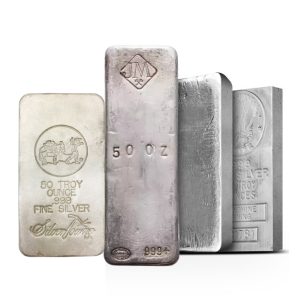
Silver has now reached its most oversold level since November 2022. Back then, sentiment toward the metal was overwhelmingly negative. Investors had largely given up, assuming higher interest rates due to pandemic inflation and a stronger U.S. dollar as a result would keep precious metals under pressure. Instead, silver climbed from roughly $21 to nearly $120 over the following three years, a gain of more than 470%.
History never repeats perfectly, and no two market environments are identical. However, extreme pessimism has often created some of the greatest long-term opportunities in precious metals. When nearly everyone agrees an asset has no future, that is often when the market quietly begins proving them wrong.
Central Banks Continue Choosing Gold
While many investors debate whether gold deserves a place in their portfolios, central banks continue answering that question with their actions.
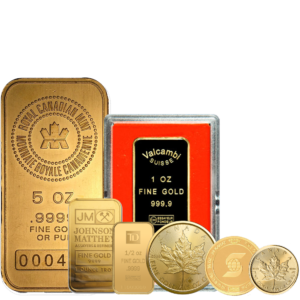
The Bank of Korea recently purchased gold for the first time in 13 years. While the purchase itself was relatively modest, what stands out is South Korea’s overall reserve composition. Gold represents only about 1.1% of South Korea’s official reserves, compared with countries like the United States and Germany, where gold makes up close to 70% of reserves. This may indicate that the Bank of Korea may be gearing up for an extended run of gold purchases through the remainder of this year. After more than a decade without adding gold, the timing is certainly worth watching.
Brazil also made headlines by significantly increasing its gold holdings through a major purchase going from 3% gold reserves to over 7% with a single purchase. This continues a broader trend of emerging market central banks increasing their exposure to physical gold.
The message is becoming increasingly clear:
Those printing currency continue buying REAL MONEY.
China’s Appetite for Gold Continues Growing
China remains one of the most important forces in the global gold market. Chinese gold investment demand has increased by 28.42% since 2025, showing that their appetite for physical gold remains exceptionally strong despite prices trading near historic highs.
This is significant because China is not only the world’s largest gold producer, but also one of the largest importers of gold and to top it off, they rarely export any of the gold they mine. Even with substantial domestic production, the country continues bringing in enormous quantities of gold to satisfy investor demand.
When one of the world’s largest consumers continues accumulating while prices are elevated, it sends a powerful message. Confidence in gold is not disappearing. It is expanding.
Watch What They Do, Not What They Say
Markets are often distracted by short-term headlines, interest rate decisions, and price fluctuations. Meanwhile, central banks, governments, and investors around the world continue making a different statement through their actions.
They keep buying physical gold.
Silver is sitting at an extreme level of pessimism that has historically preceded powerful moves. Gold demand continues growing among both institutions and private investors. Countries with relatively small gold allocations are beginning to add once again, while traditional holders continue expanding their reserves.
The world’s largest financial institutions understand something important.
Currencies can be created endlessly.
Gold and silver cannot.
And because of that:
Those printing currency continue buying REAL MONEY.