Hi,
Hi,

For decades, the global financial system has revolved around one unquestioned assumption: the U.S. dollar would remain the world’s dominant reserve asset. However, beneath the surface, a different story is unfolding — one measured not in headlines, but in the actions of central banks and the performance of hard assets.

While many investors remain focused on short-term market moves, long-term capital is quietly repositioning. The latest data suggests this shift is no longer theoretical. It is already happening.
When Headlines Miss the Bigger Picture
Gold has just recorded its first quarterly decline of more than 13% since the historic selloff in 2013. Predictably, that’s what dominates today’s headlines.
But history tells a much different story.
Following that 2013 capitulation, many investors assumed the precious metals bull market was over. Instead, the years that followed produced one of the strongest advances in modern history.
From those 2013 lows:
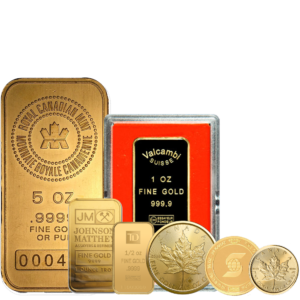
- Physical gold climbed approximately 375%, rising from $1,179 USD per ounce to a record $5,597 USD per ounce before its recent correction.
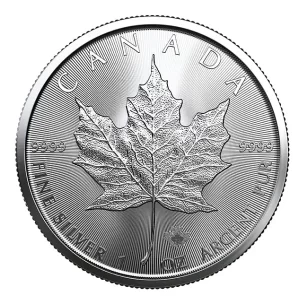
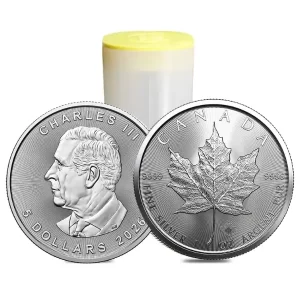
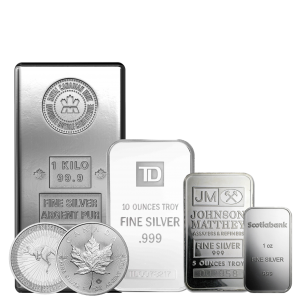
- Physical silver surged approximately 561%, climbing from $18.17 USD per ounce to nearly $120 USD per ounce before pulling back.
The lesson isn’t that every correction leads to another major rally. Markets never move in straight lines, and history doesn’t guarantee future results. The lesson is that the biggest headlines often arrive during periods of maximum uncertainty, precisely when long-term trends are the easiest to overlook.
Today’s 13% quarterly decline is grabbing attention, but if history is any guide, the more important question isn’t how far gold has fallen over the past few months.
It’s what comes next.
Central Banks Continue to Vote with Their Balance Sheets
While many investors focus on quarterly price swings, central banks continue to send a very different message.
According to the latest reported data from the World Gold Council, official sector gold reserves increased by a net 41 tonnes in May, marking the strongest monthly increase since November.
This follows years of exceptionally strong central bank demand that has consistently remained well above historical averages. Unlike individual investors, central banks are not chasing quarterly returns. Their decisions are driven by long-term priorities: preserving purchasing power, diversifying reserve assets, and reducing exposure to financial and geopolitical risk. When the institutions responsible for safeguarding national wealth continue accumulating gold despite record prices and recent volatility, investors should take notice.
A Decade-Long Shift Has Begun
Central banks aren’t just buying more gold. They’re also planning to hold less U.S. dollars.
A recent global survey of central banks revealed that, for the first time ever, more central banks expect to decrease their U.S. dollar reserves over the next decade than increase them.
Pause and consider the significance of that.
For decades, the U.S. dollar has been the cornerstone of global reserve portfolios. Yet, for the first time since the survey began, central bank reserve managers collectively expect their dollar allocations to trend lower over the next ten years.
The contrast couldn’t be starker.
As central banks continue increasing their gold reserves, they are simultaneously planning to reduce their exposure to the U.S. dollar. That doesn’t signal the end of the dollar’s role in the global financial system, but it does suggest that the institutions responsible for managing national reserves are gradually repositioning for a different future.
The Story Beneath the Headlines
Financial markets will always move through cycles of optimism and fear. Headlines will celebrate rallies and amplify corrections. History has shown that the world’s largest buyers rarely make decisions based on emotion.
Gold has just experienced its first quarterly decline of more than 13% since 2013. Yet history reminds us that the last time investors witnessed a correction of this magnitude, both gold and silver went on to deliver extraordinary long-term gains.
At the same time, central banks continue accumulating gold while, for the first time ever, more of them expect to reduce U.S. dollar reserves over the coming decade than increase them.
The actions of the world’s largest reserve managers speak louder than the headlines.
The question is no longer whether the global monetary landscape is changing. The question is whether investors will recognize the shift while it’s still unfolding.