Hi,
Hi,

The majority of investors may consider the Strait of Hormuz a geopolitical hotspot connected to their assets. As a matter of fact, this little canal that connects Iran and Oman is among the most significant economic chokepoints in the whole planet. Twenty per cent of the world’s oil consumption and a significant share of the world’s natural gas exports flow through the Strait every day, making it a vital part of the global economy.
Investors ought to follow regional tensions in the same way that markets throughout the world do.
The Hormuz Strait
The Strait of Hormuz, the Arabian Sea, the Gulf of Oman, and the Persian Gulf are all connected. Saudi Arabia, Iraq, Kuwait, the United Arab Emirates, and Qatar are all oil-producing countries, and the narrow route is their primary export route. Twenty million barrels, or approximately twenty per cent of the world’s oil demand, are transported over the strait every single day.
The interruptions that occur in the Hormuz shipping route might rapidly affect the global oil markets since there are few alternatives.
Financial Markets React
Oil serves as the foundation for transportation, production, agriculture, and the price of consumer goods. The fear of Hormuz outages among investors causes the price of oil to skyrocket as markets begin to factor in supply shortages.
Volatility may be caused by anything, including interruptions. Due to difficulties in gaining access to the Strait, the price of crude oil varied in 2026. As a result of reports that shipping routes would be reopened, the price of oil experienced a significant decline as traders expected an improvement in supply conditions. Changes in prices can have an impact on investors:
- The energy storage
- Transportation companies such as airlines
- A company that manufactures
- Inflation-sensitive industries and sectors
- Markets for bonds
- Valuable metals
Linked to Inflation
Oil prices that are higher than average drive up the costs of transportation and production. Consumers are forced to shoulder a portion of these costs, which contributes to an increase in inflation.
If inflation suddenly soars, central banks may choose to postpone future interest rate reductions or maintain more stringent monetary policies. In addition to causing damage to stocks and bonds, this can also make the financial market more unstable.
As a result, a geopolitical calamity that occurs thousands of miles away might potentially have an impact on global borrowing, consumer spending, and investment.
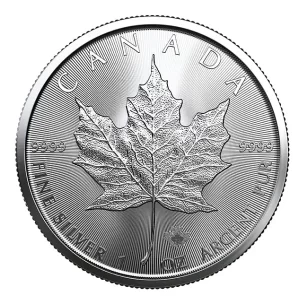
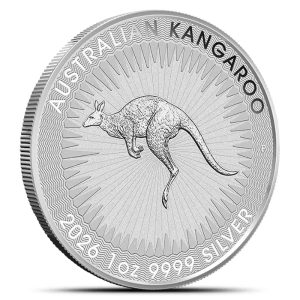
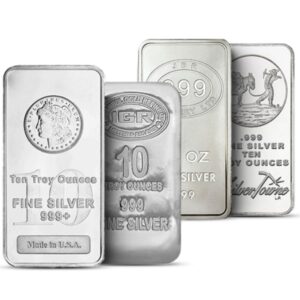
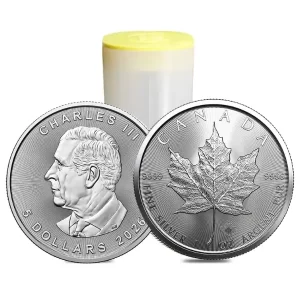
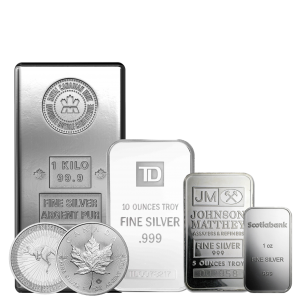
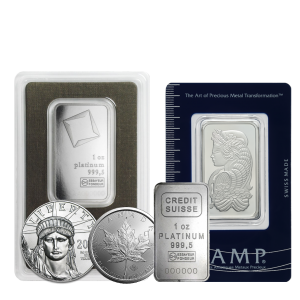
Even though no one can say for sure what will happen in geopolitics, having real gold and silver can help you feel safe when the market is unstable. As global risks change, Canadian investors should still keep their money in trusted hard investments for the long run.