Hi,
Hi,

In recent decades, the world has moved increasingly towards a digital financial system. Stocks, bonds, digital currencies, and even physical currencies have all moved towards a digital format. While this has made it easier to do business and has provided investors with an opportunity to diversify their portfolios, there is one thing that is slowly starting to gain traction with investors – hard assets.
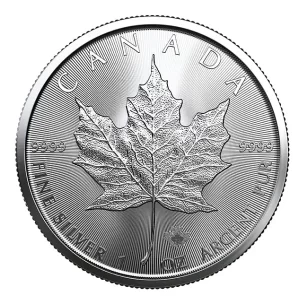
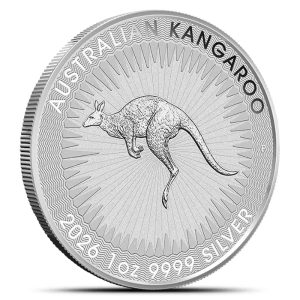
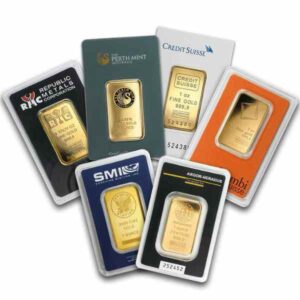
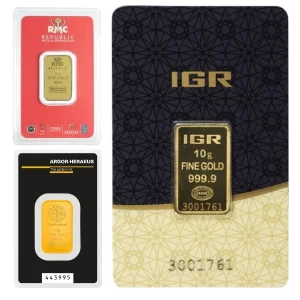
Hard assets refer to physical investment products such as gold, silver, property, and commodities that have inherent value. In recent years, there has been an increase in investors opting to purchase hard assets, especially during periods of economic uncertainty.
Growing Concerns of Inflation
One of the major reasons investors are opting to move back to hard assets is the growing concern of inflation. When governments decide to increase the money supply or when economic stimulus programs grow at an alarming rate, there is a tendency for paper currency to lose its purchasing power.
In this regard, investors who purchase hard assets such as gold and silver have found it to be an attractive investment opportunity. Since gold and silver cannot be artificially produced or printed, they maintain their value even when currency loses its purchasing power.
Therefore, for investors who wish to maintain their wealth over a period of time, this is an attractive investment opportunity.
Uncertainty of Financial Markets
In recent years, there has been a great deal of uncertainty with regard to financial markets across the world. From tensions with North Korea to economic downturns and banking uncertainty, investors have found it difficult to determine what to do with their money.
When the stock market is unstable, investors may look for other assets that are more secure. Hard assets are appealing to investors because of their stability. This is because their value does not depend on corporate profits, financial systems, or computers.
Physical precious metals are some of the assets that have been viewed as secure investments, especially during uncertain times.
Tangible Assets Provide Real Ownership
Another reason investors are returning to hard assets is the concept of ownership. When you own physical precious metals, you are essentially buying a tangible asset outside of the financial system.
Unlike other investments, such as stocks, physical precious metals do not require investors to use financial institutions to control their assets.
For many investors, this concept of ownership is appealing, especially during times of financial crises.
Central Banks Are Also Buying Gold
Interestingly, it is not just investors who are buying hard assets. Central banks across the world are buying up gold reserves.
By buying up gold, these countries are essentially diversifying their financial reserves and avoiding the use of other countries’ currencies.
When central banks, such as the ones responsible for governing economies, are buying up hard assets, this sends a powerful message to the market.
The Timeless Appeal of Hard Assets
While many trends come and go, the appeal of hard assets has remained remarkably consistent.
Gold and silver are some of the most popular precious metals, and their appeal has been consistent for thousands of years.
Although the evolution of modern financial markets is a continuous process, a growing number of investors are beginning to recognize the importance of physical assets in maintaining and securing wealth.
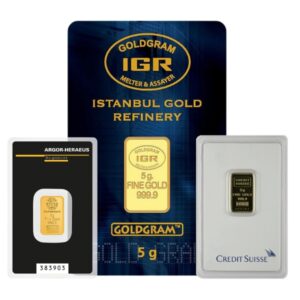
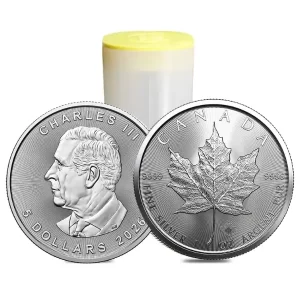
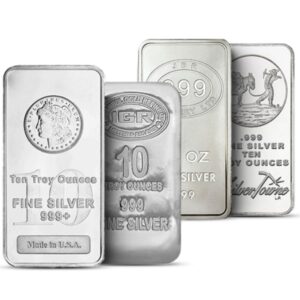
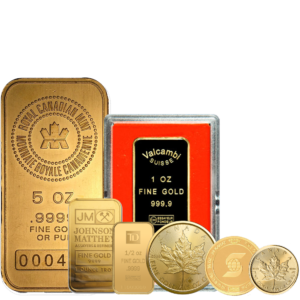
For those interested in acquiring physical precious metals for their investment portfolio, AU Bullion provides a variety of gold and silver coins and bars at competitive prices, allowing investors to acquire physical assets for a more financially stable future.