Hi,
Hi,

As geopolitical tensions erupt in the Middle East, the conflict between the U.S., Israel, and Iran is reshaping global markets. With the Strait of Hormuz effectively closed, oil and natural gas flows are disrupted, stoking wild inflation fears worldwide. For investors in precious metals, this volatility presents both risks and massive opportunities. Silver and gold, long seen as safe havens, are drawing renewed attention – not just as hedges, but due to their critical roles in military and industrial applications. In this newsletter, we’ll explore the implications, backed by recent data, while emphasizing a measured, long-term view.
The Strait of Hormuz: Oil, LNG, and Inflation Risks
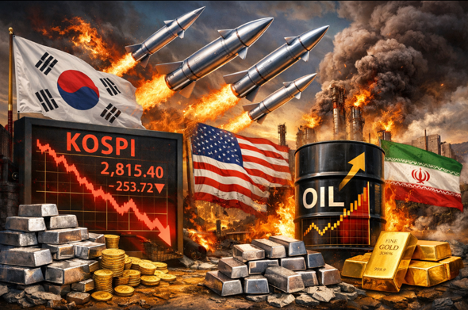
The Strait of Hormuz, a vital chokepoint for 20% of global oil and a fifth of LNG trade, has ground to a halt amid Iranian strikes and U.S.-Israeli responses. Crude prices have surged 10-13% to around $85-90 per barrel, with natural gas following suit. LNG shipping rates have exploded 650% to $300,000 USD per day on key routes, as shippers scramble amid Qatari production pauses and Iranian threats. This disruption could push energy costs even higher as prices of gas jumped 25 cents per litre just this morning, fueling broader inflation worries.
For precious metals, this energy shock amplifies their appeal. Gold thrives in inflationary environments, while silver’s industrial demand (over 50% of use) ties it to rising commodity cycles. Yet, these pressures could strain economies which can cause near-term strain in markets across the board. The goal: get on the boat that will eventually rise back to the surface.
Silver’s Strategic Role in Military Buildup
Silver isn’t just for jewelry or solar panels – it is essential for modern defense. Modern missiles contain 0.5-2 kg each, drones 100-500 grams, and torpedoes up to 50 kg, mainly in batteries, electronics, and shielding. Global military silver consumption may reach 150-230 million ounces annually, or 15-20% of total demand, much of it is non-recyclable after use. With Iran escalating tensions, nations are ramping up stockpiles which tightens physical supply as demand for silver in military increases.
This hidden demand supports silver’s price floor, especially as conflicts drive procurement. Investors should note: while short-term spikes are possible, silver’s dual nature (safe haven plus industrial) offers resilience in the long-term.
Vault Drains and Supply Warnings
Physical silver markets are flashing red. On Thursday, Shanghai Futures Exchange (SHFE) vaults saw a massive 22,000 kg (22 tonnes) withdrawal—7.5% of total inventory—dropping holdings to 272 tonnes. Then today, another 16,000 kg (16 tonnes) were withdrawn! Combined with Shanghai Gold Exchange draw downs, this signals acute tightness amid a projected sixth straight annual deficit in physical silver. Premiums in China are soaring for physical metal, hinting at a potential squeeze.
Such price drops on the heels of incredible demand often precede bigger rallies due to pent up energy being released, but they also highlight volatility. Physical buyers may benefit, yet patience is key in markets oversupplied by paper.
Financial Contagion: South Korea’s Historic Plunge
The crisis is hitting stock markets hard, and South Korea’s meltdown shows just how fast things can unravel. The Kospi index – the country’s main stock gauge – plunged a shocking 12% in a single day on Wednesday, marking the worst drop in its entire history. That followed a 7% tumble the day before, vaporizing a staggering $550 billion in investor wealth overnight.
Why the chaos? South Korea relies heavily on Middle Eastern oil and gas imports, so the Strait’s shutdown is sending energy costs through the roof. This weakens their currency and triggers forced sales as investors scramble to cover losses from high-risk, borrowed-money bets. The pain doesn’t stop there – it could ripple out like a financial domino effect, shaking other Asian markets and even spreading worldwide due to the interconnectedness of markets today, with big tech names like Samsung seeing shares crater 18%.
In times like these, precious metals often step up as a reliable shield. Gold and silver tend to climb when stocks crash, offering stability and protection for your portfolio amid the storm.
Zooming Out: What an Incredible Start to the Year
Silver and gold have delivered explosive performance so far in 2026, even amid sharp volatility. Silver peaked near $121 in late January before pulling back significantly, yet it’s still up around 15-18% year-to-date as we enter March – gains that would represent an outstanding full-year return in most market environments. Gold has climbed roughly 18%, continuing its powerful trajectory from last year’s already remarkable surge.
These are extraordinary early-year advances in just two months. Such rapid moves highlight how explosive volatility in precious metals can translate into massive, outsized gains when fundamentals align – geopolitical uncertainty, supply constraints, and persistent demand. Rather than fixating on short-term stress inducing dips, recognize this as a strong bullish foundation building momentum.
The Iran conflict underscores precious metals’ enduring value in turbulent times. While short-term risks loom, gold, and silver’s upside – driven by inflation, military demand, and global uncertainty – remains compelling. In a world of unknowns, these assets shine brightest over the long haul.