Hi,
Hi,

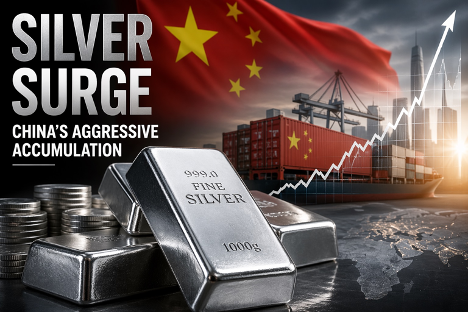
Silver is starting to tighten in a way that doesn’t usually get attention until it’s too late. While most eyes are still on gold or broader markets, the physical silver market is quietly shifting. Supply is getting tighter, deficits are stacking up, and one of the largest players in the world is moving with clear intent.
Record Imports Signal Urgency
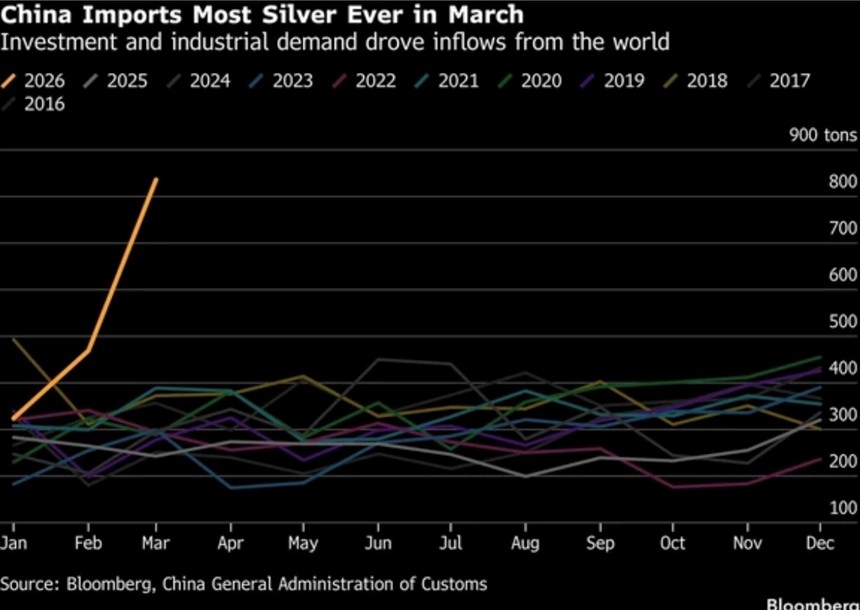
In March 2026, China imported roughly 836 tonnes of silver, blowing past previous records and landing about 173 percent above the 10-year average. This wasn’t a steady climb. It was a sharp, almost vertical jump that stands out immediately against the patterns of prior years.
Moves like that don’t happen without a reason. It suggests China is taking advantage of current pricing to secure large amounts of physical metal while it’s still available without friction. When buying accelerates like this, it usually means someone sees value that the broader market hasn’t fully priced in yet.
Vault Holdings Double in Weeks
The import spike would be notable on its own, but it’s what’s happening inside the country that really matters.
Shanghai Gold Exchange silver holdings jumped from around 323,000 kg to nearly 690,000 kg in less than a month (April). That’s a 113 percent increase in a very short window. At the same time, export controls have tightened, with only a limited number of companies allowed to ship silver out of China through 2027.
Put those together and the picture becomes clear. More metal is coming in, less is leaving, and it’s being held rather than circulated to the public. That kind of behavior tightens the global market whether people are paying attention or not.
A Market Already in Deficit
Zoom out and the backdrop is already supportive.
The silver market is heading into its sixth straight year of deficit, with a projected shortfall of around 46 million ounces in 2026. Industrial demand continues to grow, especially in solar and electronics, while mine supply and recycling aren’t keeping pace.
That leaves inventories thinner than they appear on the surface. When supply is stretched like this, it doesn’t take a massive shift in demand to move price. Even a moderate increase in buying can have an outsized impact.
Squeeze Conditions Are Building
This is where things start to line up.
You have tightening supply, consistent industrial demand, renewed investor interest, and now aggressive accumulation from a major global player. Historically, that combination leads to sharp repricing events.
Silver also behaves differently than gold in these moments. Without the same level of central bank involvement, moves tend to be faster and more reactive. When liquidity tightens, price doesn’t drift higher, it tends to move quickly.
Positioning Ahead of the Move
China isn’t chasing the market here. It’s clearly positioning ahead of it by buying any price dip aggressively.
By bringing in large volumes of silver, restricting exports, and building reserves at incredible speeds, it is effectively reducing the amount of metal available to the rest of the world. At the same time, demand from industry isn’t slowing down.
Silver’s role as both an industrial input and a store of value makes it uniquely sensitive to this kind of pressure. When both sides of demand stay firm, supply doesn’t have much room to adjust.
The Window Won’t Stay Open
For now, the market still feels relatively calm. Prices haven’t fully reflected the tightening that’s happening underneath, and we must remember that silver is a limited asset meaning there is only so much of it to go around.
Because of the above, that tends to be how these setups work. The hard price move comes after the large positioning, not during it. This means we should continue to watch China’s actions in the precious metals market carefully. If current trends continue, with sustained deficits, strong demand, and continued accumulation, the window to access physical silver under these conditions may not last as long as people expect.